Featured Project 01
PhD Research · MEMS Process Integration
Integrated Colloidal Scanning Probe Platform
Developed an SU-8-based scanning probe platform integrating custom tip geometries, colloidal microparticles, and optical fibers through a multi-step microfabrication process.
5–30 µm
Particle sizes investigated
Multiple tip geometries
Pyramidal · Colloidal microsphere
Optical integration
Fiber-to-probe light delivery demonstrated
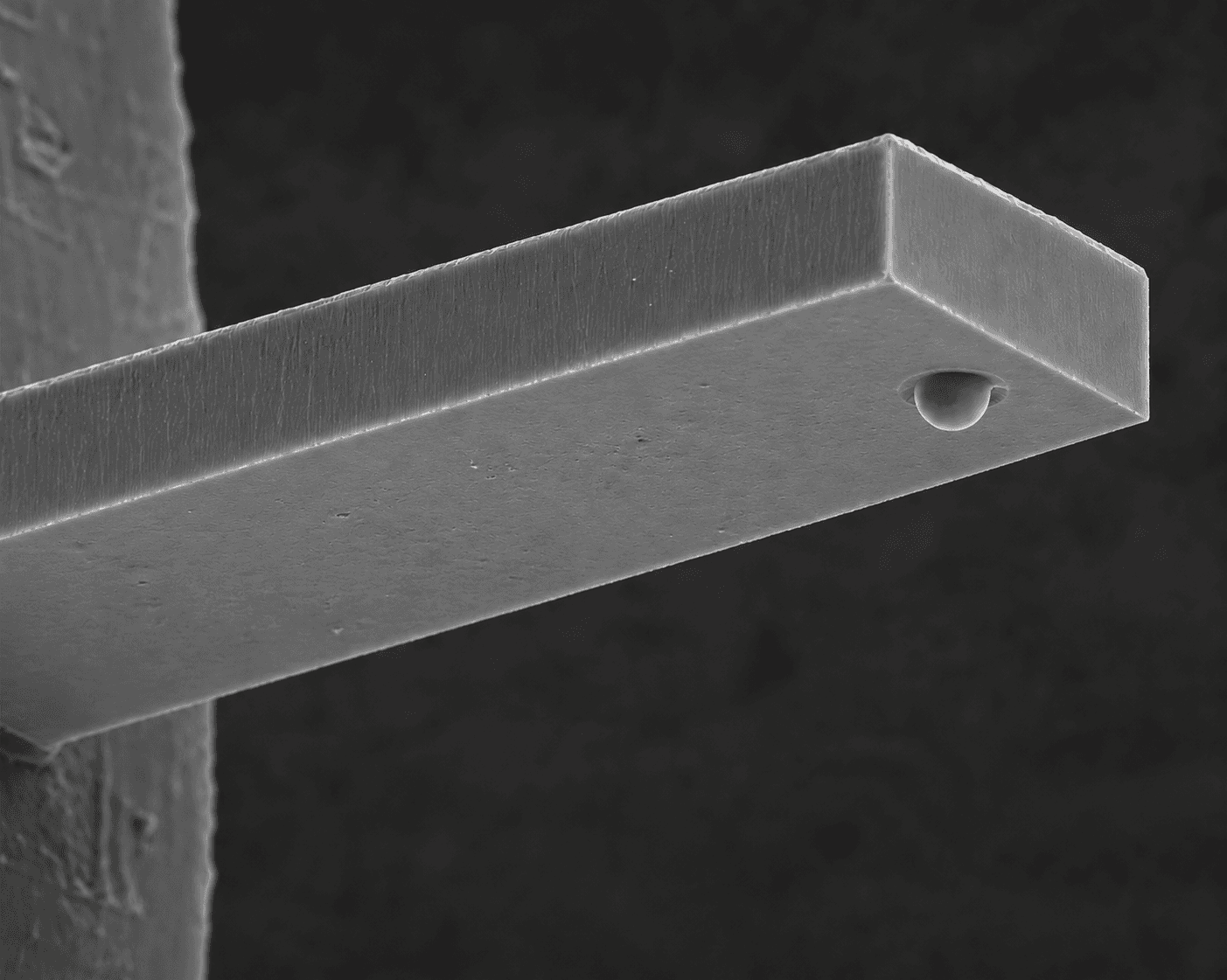
Fabricated SU-8 colloidal scanning probe
I led the design, microfabrication, process integration, and characterization of the platform.
Role
Design · Microfabrication · Process Development · Characterization
Institution
Sabancı University SUNUM Nanotechnology Research and Application Center
Duration
2020–2024
Research Output
PhD Thesis · Related conference publication
01 — The Challenge
From manual pick-and-place to integrated fabrication
Conventional colloidal probes are commonly produced using a serial pick-and-place process, where individual microspheres are manually positioned and bonded to completed cantilevers.
Conventional approach
Pick-and-place
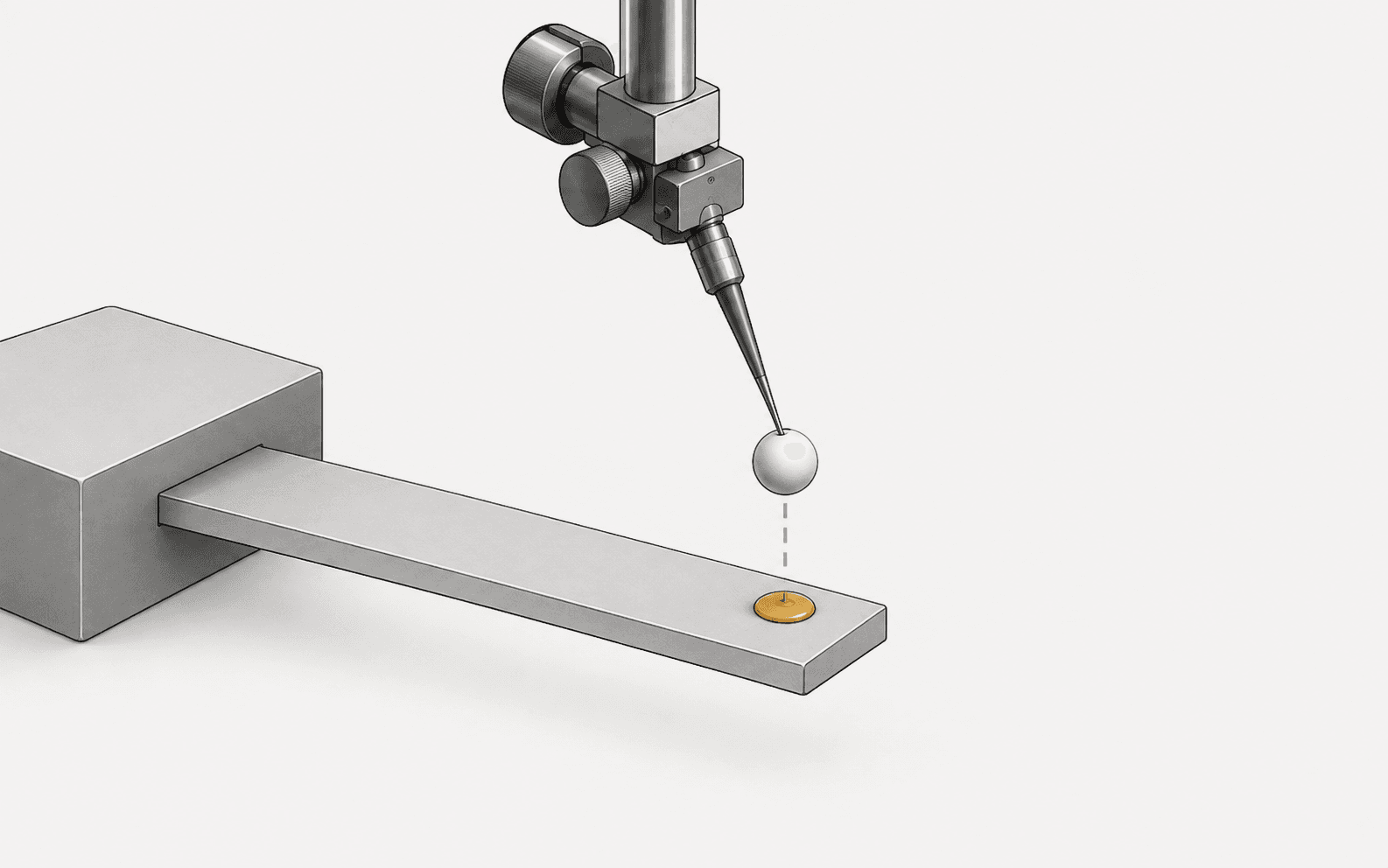
Research direction
Integrated fabrication
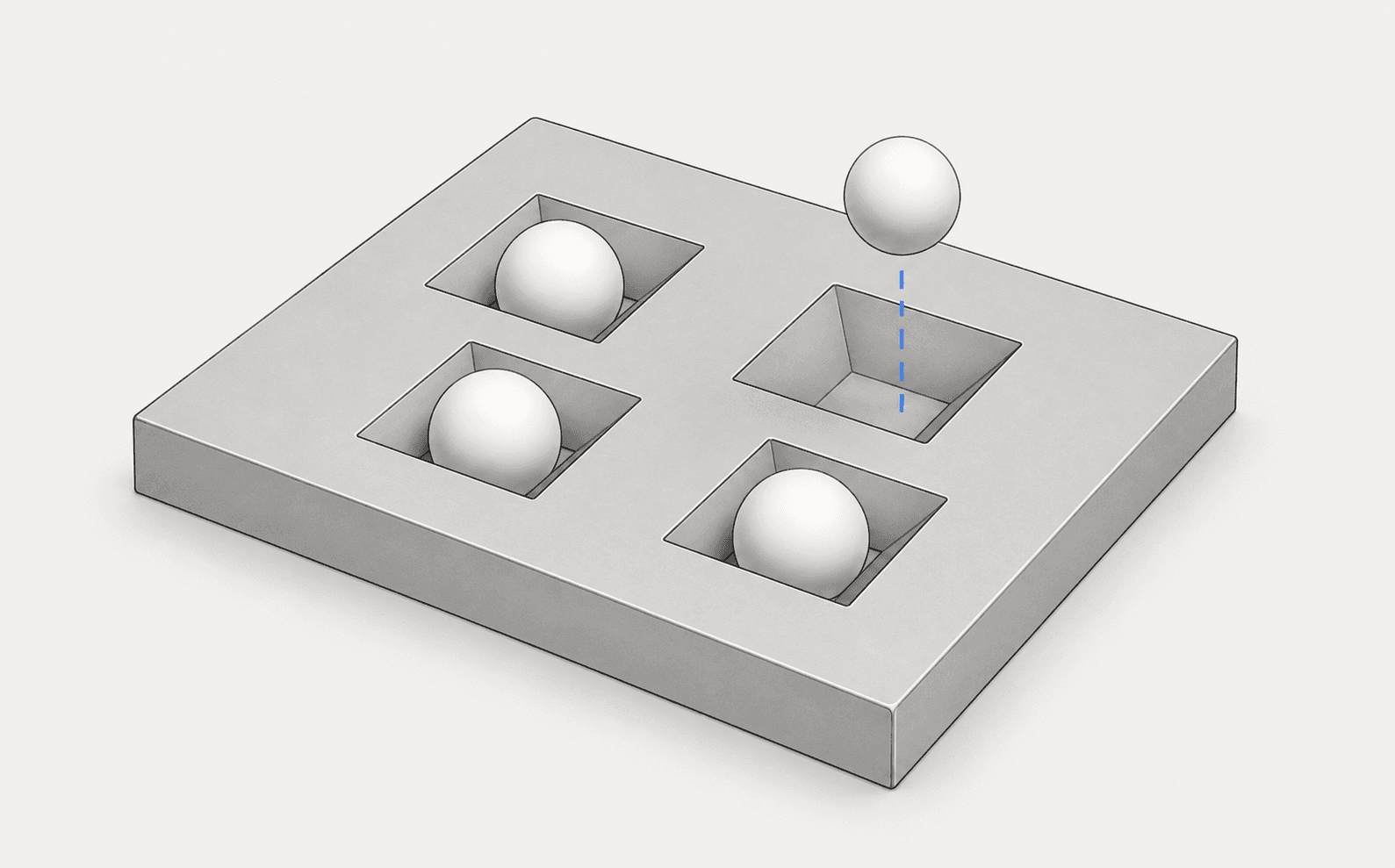
* A commercial colloidal probe example was listed at approximately €530 per probe during the research period.
Could particle placement become part of the microfabrication process itself, rather than a separate manual operation performed probe by probe?
02 — System Overview
A unified scanning probe architecture
The platform combines custom probe-tip geometries, colloidal microsphere tips, SU-8 structural probes, and integrated optical fibers, with an architecture compatible with electrothermal actuation.
- Custom probe-tip geometries
- Colloidal microsphere tips
- SU-8 structural probes
- Integrated optical fibers
- Electrothermal-actuation compatibility
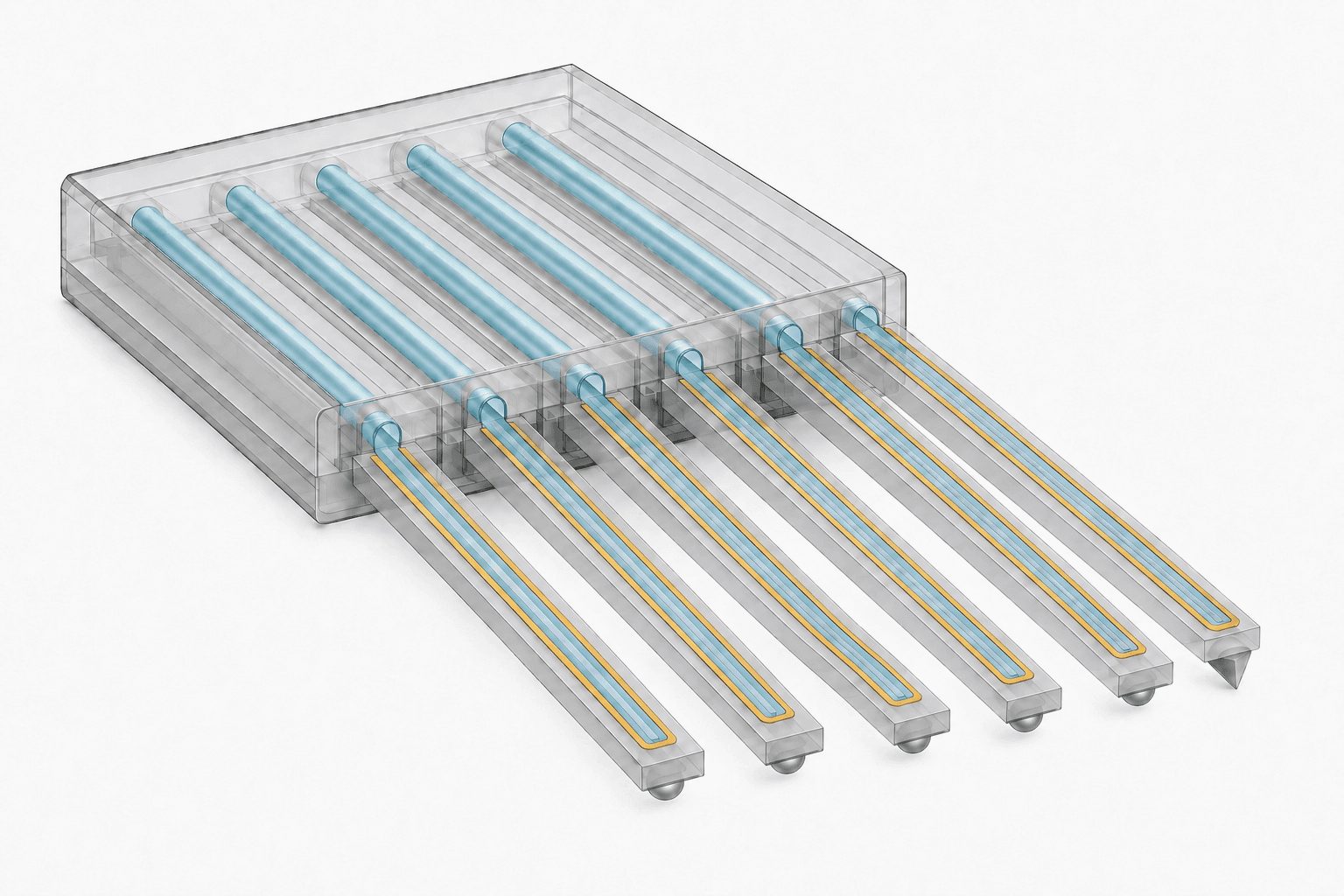
Conceptual architecture — not to scale
Tip architecture
Pyramidal · Colloidal microsphere
Structural material
SU-8 polymer
Optical integration
Aligned fiber-to-probe delivery
Actuation
Compatible with electrothermal motion
03 — Process Development
From individual steps to a complete process
Building the final probe required several fabrication and assembly steps to work together without compromising what had already been integrated.
The process combined silicon micromachining, particle assembly, optical-fiber integration, polymer processing, and sacrificial release into one fabrication sequence.
Tip & fiber geometry
Define cavities for the probe tip and alignment grooves for the optical fiber.
Silicon micromachining
Form the required tip geometries and fiber-guiding features using silicon etching approaches.
Particle assembly
Position colloidal microparticles within predefined cavities before final probe formation.
Fiber integration
Align and secure optical fibers inside the fabricated grooves.
SU-8 probe formation
Form the structural probe while preserving the previously integrated particle and fiber.
Release & validation
Release the fabricated probes and verify structural integrity, particle placement, fiber alignment, and optical function.
04 — Engineering Iteration
Solving integration challenges
Each fabrication step affected the next. Developing the final probe required several iterations to resolve particle stability, polymer processing, fiber alignment, and release compatibility.
Particle transport
Challenge: Particle sedimentation and channel leakage limited microparticle availability near the cavities.
Engineering move
Evaluated open-channel and capillary-assisted assembly.
Improved particle availability
Particle displacement during coating
Challenge: Conventional SU-8 spin coating could displace positioned microspheres.
Engineering move
Redesigned the polymer-deposition sequence.
Preserved particle position
Fiber alignment
Challenge: Early fixation could not reliably preserve alignment through later processing.
Engineering move
Positioned fibers first and secured them locally inside the grooves.
Maintained alignment through release
Release compatibility
Challenge: Release chemistry had to protect the SU-8 structure, microspheres and fibers.
Engineering move
Evaluated sacrificial strategies against the complete material stack.
Improved process compatibility
Process development was driven by compatibility between steps—not by optimizing each step independently.
05 — Results
An integrated probe platform
The developed process brought multiple functions together within the same scanning-probe platform while preserving particle placement, fiber alignment, and probe integrity through fabrication and release.
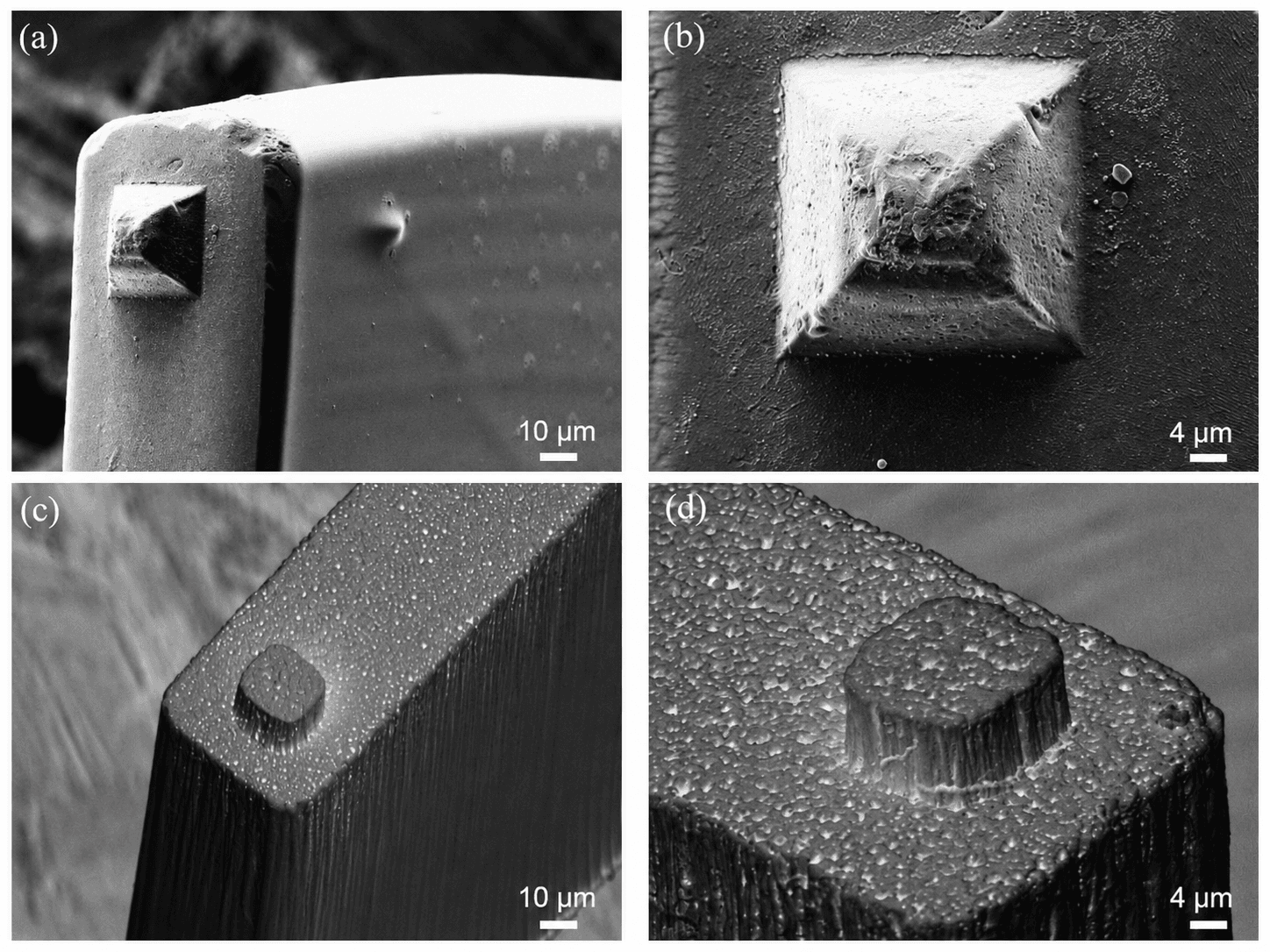
Multiple tip configurations
Pyramidal · Colloidal microsphere
Different probe-tip architectures were fabricated within the broader SU-8 probe platform.
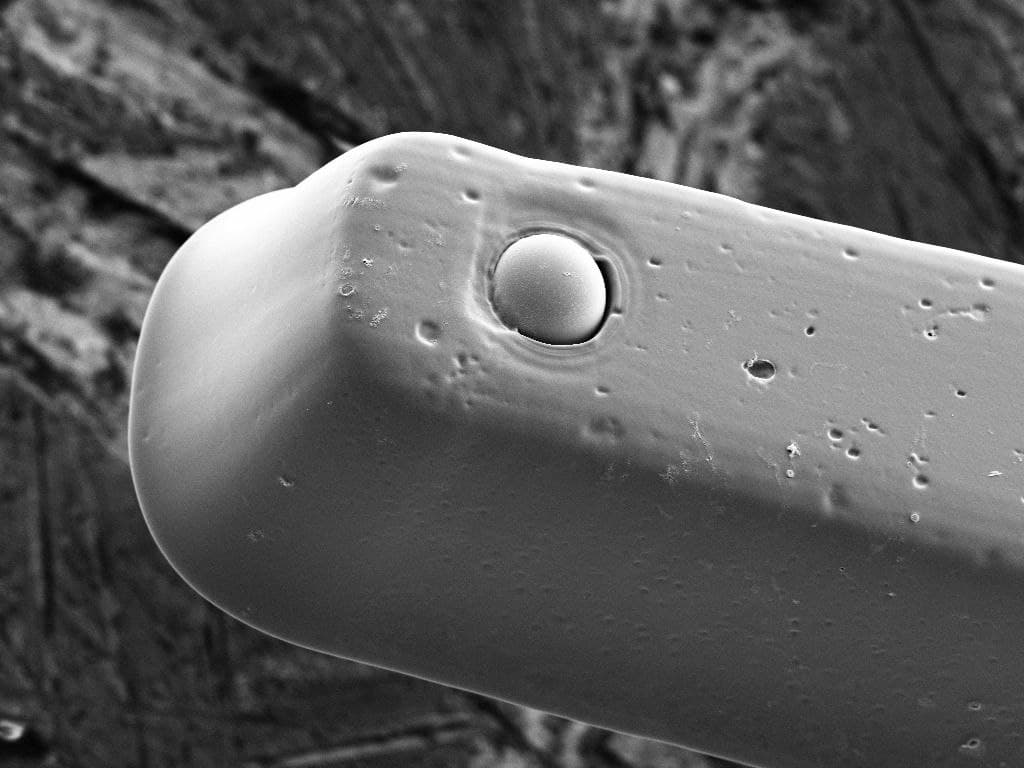
Colloidal tip integration
Microspheres transferred to the probe-tip region
Pre-positioned microparticles remained integrated with the probe after structural fabrication and release.
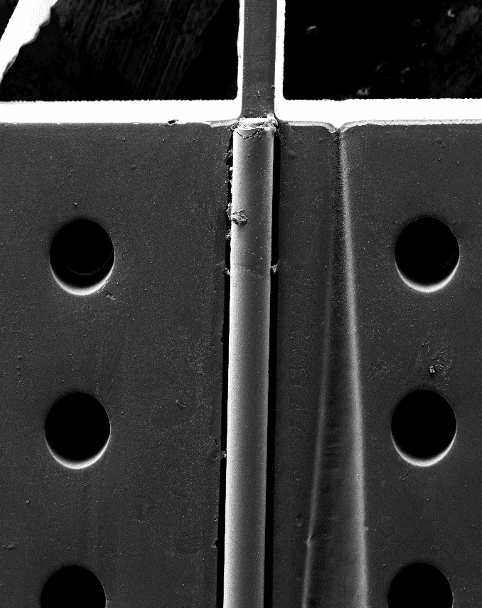
Optical-fiber integration
Fiber alignment maintained through fabrication
Optical fibers were positioned within microfabricated alignment grooves and remained aligned with the probe structure after subsequent processing.
Compatible with electrothermal actuation
The platform architecture was extended toward integration with the separately developed SU-8/Cu bimorph actuator.
Tip architecture
Pyramidal · Colloidal microsphere
Particle integration
Microsphere retained at probe tip
Fiber integration
Alignment preserved through release
Optical function
Light delivery demonstrated
The outcome was not only a fabricated probe, but an integrated process architecture capable of combining particle, polymer, optical, and actuation technologies within a common platform.
06 — Engineering Judgment
MEMS process development is a system-level problem.
Particle stability, polymer processing, fiber alignment, release chemistry, and material selection were tightly coupled. Each process decision was therefore evaluated according to its effect on the complete fabrication sequence—not only on the individual step.
Particle stability
Microsphere placement had to survive subsequent coating, baking, and release steps.
Polymer processing
SU-8 deposition and patterning conditions had to preserve previously integrated features.
Fiber alignment
Optical fibers had to remain aligned and fixed through polymer processing and release.
Release compatibility
The sacrificial layer had to be removed without damaging the probe structure, particles, or fibers.
Material selection
Material choices were driven by compatibility across all process steps and final functionality.
Selected process parameters, mask details, and unpublished technical data are intentionally omitted from this public case study.